
Join our Telegram group and receive breaking and trending news updates directly on your phone.
Join for News Updates ✕Delta Development: Include Riverine Host Communities Now, Mulade Urges Oborevwori
Tags: Delta Development: Include Riverine Host Communities Now, Mulade Urges Oborevwori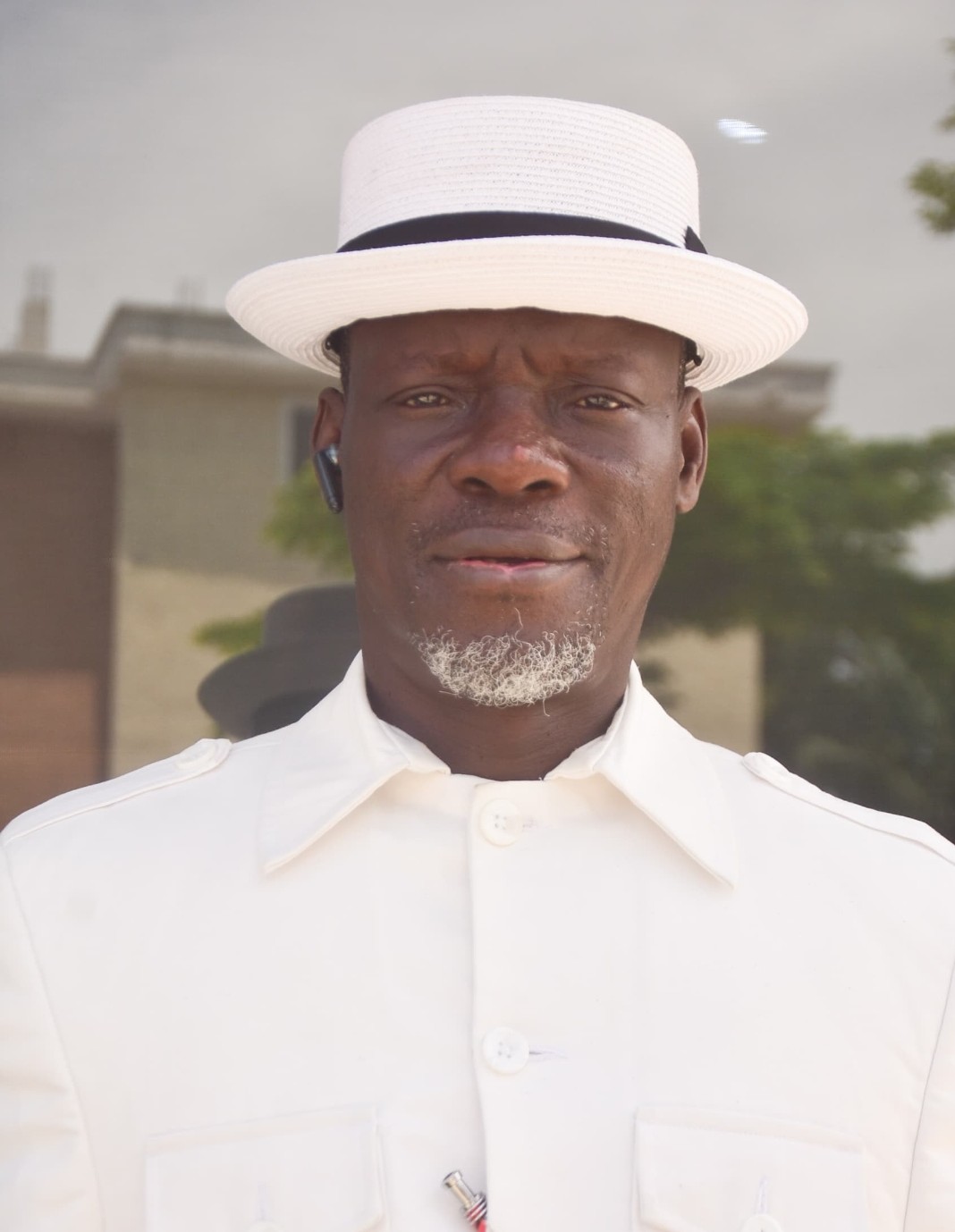
Delta Development: Include Riverine Host Communities Now, Mulade Urges Oborevwori
By Wilson Macaulay
Prominent Delta State-born development advocate, environmental rights activist, and peace ambassador, Comrade Mulade Sheriff, PhD, has called on the Delta State Governor, Sheriff Oborevwori, to deliberately prioritize the development of riverine host communities in the state’s infrastructural development agenda.
Mulade, who is the Ibe-Serimowei of the ancient oil-rich Gbaramatu Kingdom in Warri South-West Local Government Area, made the appeal while assessing the developmental needs of coastal communities across the state.
According to him, the riverine areas predominantly inhabited by the Ijaw and Itsekiri ethnic nationalities have continued to suffer years of infrastructural neglect despite their enormous contributions to the economic prosperity of Delta State and Nigeria at large.
He noted that while the state remains one of Nigeria’s leading oil-producing regions, many of the communities that host critical oil and gas infrastructure still lack basic amenities and major development projects capable of stimulating economic growth and improving the quality of life of residents.
Mulade argued that the Ijaw and Itsekiri communities contribute significantly to the state’s internally generated wealth through oil and gas production as well as the emerging blue economy sector.
“The Ijaw and Itsekiri ethnic nationalities account for a substantial portion of the revenue that accrues to Delta State through oil, gas and maritime economic activities. Ironically, the communities that produce this wealth remain among the least developed in the state,” he said.
The former House of Representatives candidate for Warri Federal Constituency under the Nigerian Democratic Congress (NDC) stressed that meaningful inclusion of riverine communities in the state’s development plans would not only address longstanding grievances but also enhance social harmony and economic growth.
As Delta State prepares to mark its 35th anniversary, Mulade urged Governor Oborevwori to use the occasion as an opportunity to launch transformative infrastructure projects capable of opening up the coastal areas for commerce, investment, tourism, and industrial development.
Among the strategic projects he recommended is the construction of the Ayakoromo–Burutu–Forcados–Odimodi–Ogulagha Road, a major coastal corridor that would connect several riverine communities and provide direct access to the internationally significant Forcados Oil Terminal.
He said the road would stimulate economic activities, facilitate the movement of goods and services, and create employment opportunities for thousands of residents across the coastal belt.
Mulade also advocated for the Omadino–Okerenkoko–Kokodiagbene–Escravos Road, which would provide access to the Escravos Terminal and unlock the vast economic potential of the region.
According to him, the project has the capacity to transform Delta State into a major economic hub due to the abundance of natural and maritime resources within the area.
Other projects he listed include the Koko–Ogheye–Gbokodo–Opuama Road, which would link several coastal communities in Warri North Local Government Area, as well as the proposed Camp-5–Seitorububou–Kurutie–Kunukunuma–Ibefan–Azama–Oporoza–Ogidigben–Yokri/Sokebolou–Obotobo Ring Road, designed to improve connectivity among numerous riverine settlements.
He further called for the construction of the Ojobo–Ndoro–Aghoro Road, a strategic route that would link Delta State with neighbouring Bayelsa State through the eastern flank, thereby enhancing regional integration and economic cooperation.
The renowned environmental activist emphasized that road connectivity remains one of the most effective tools for accelerating development in riverine communities.
According to him, improved transportation networks would boost trade, attract investments, support agricultural and fishing activities, and position Delta State as a leading player in Nigeria’s blue economy initiative.
“Road infrastructure is the key to unlocking the vast economic potential of the riverine areas. It will facilitate rapid development, encourage private-sector participation, and help actualize the vision of a sustainable blue economy for Delta State and Nigeria as a whole,” he stated.
Mulade, however, commended Governor Oborevwori for ongoing development efforts in various parts of the state and expressed optimism that the administration would extend similar attention to the riverine communities that have long yearned for meaningful government presence.
He urged the governor to ensure equitable distribution of developmental projects across all parts of Delta State, stressing that communities hosting the state’s economic assets deserve a fair share of the benefits derived from their resources.
“The people of the riverine communities deserve a stronger sense of belonging. Development should not be concentrated in urban centers alone.
The coastal communities that sustain the state’s economy must also enjoy the dividends of democracy through modern infrastructure and sustainable development,” Mulade added.