
Join our Telegram group and receive breaking and trending news updates directly on your phone.
Join for News Updates ✕Kaduna Pastor ‘Talk and Do’ Ends It All as 2018 Gay Video Resurfaces, Sparking Outrage and Mental Health Debate
Tags: Kaduna Pastor ‘Talk and Do’ Ends It All as 2018 Gay Video Resurfaces, Sparking Outrage and Mental Health Debate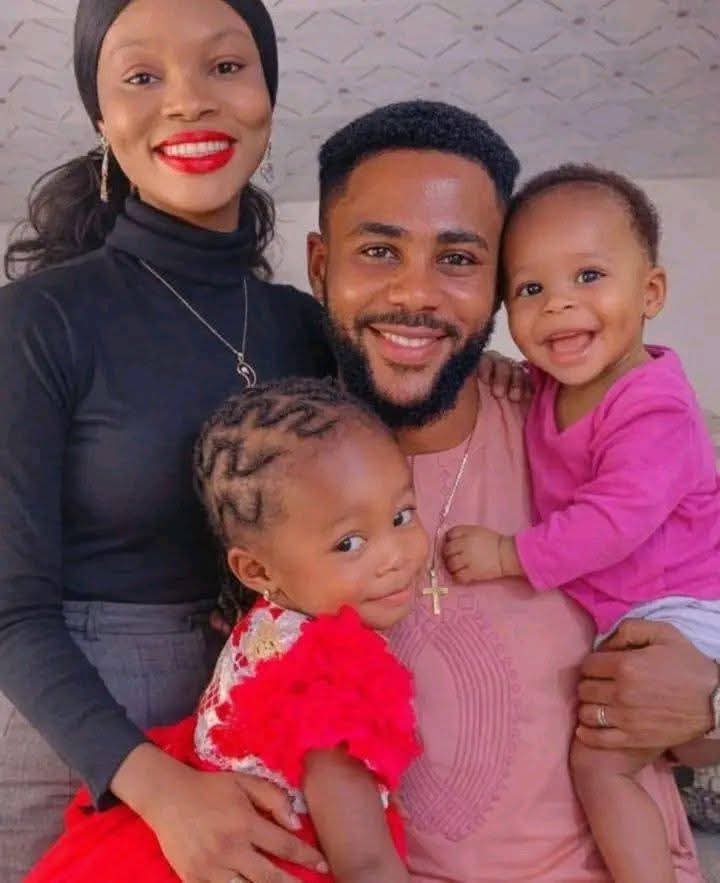
Kaduna Pastor ‘Talk and Do’ Ends It All as 2018 Gay Video Resurfaces, Sparking Outrage and Mental Health Debate
In a heartbreaking development that has sent shockwaves through religious circles across northern Nigeria, Prophet Samuel Goodwin Oche, a prominent Benue-born cleric popularly known as “Talk and Do” for his fiery preaching style, has reportedly taken his own life following the viral resurgence of an alleged 2018 video purportedly showing him in a compromising intimate encounter with another man.

The incident, which unfolded in Kaduna where the pastor had built a large following through his ministry, underscores the perilous intersection of personal scandals, social media vigilantism, and the immense pressures faced by religious leaders in a society where moral uprightness is non-negotiable.
Sources close to the family confirmed that Prophet Oche, who had long ministered in the northern state despite hailing from Benue, succumbed to the weight of public scrutiny that intensified dramatically in recent days, leaving his congregation, parishioners, and the wider Christian community grappling with grief, disbelief, and urgent questions about accountability, forgiveness, and the human fragility beneath clerical robes.
Eyewitnesses and online trackers revealed that while whispers of similar indiscretions had trailed the prophet in the past, rumors he had publicly dismissed as satanic attacks during sermons that drew thousands. the re-emergence of this particular explicit clip on various social media platforms proved to be the final straw, unleashing a torrent of condemnation, memes, and calls for his resignation from pulpits and leadership roles.
The video, first rumored to have surfaced around 2018 but buried amid denials and counter-accusations, gained fresh traction last week through anonymous shares on WhatsApp groups, Twitter (now X), and TikTok, rapidly amassing millions of views and igniting heated debates across Nigeria’s digital landscape.
Social media sleuths and self-appointed moral guardians piled on with unfiltered outrage, branding the cleric a hypocrite for his past sermons railing against homosexuality, a stance aligned with conservative Christian teachings prevalent in the north, while others lamented the invasion of privacy and the mob justice that often bypasses due process.
Prophet Oche, according to insiders, retreated into seclusion in the days leading up to the tragedy, battling what associates described as profound despair amid relentless online harassment that painted him as irredeemable, despite his pleas for mercy in a now-deleted video statement.
The prophet’s untimely death leaves behind a grieving widow and two young children, whose future now hangs in the balance as the family navigates not just profound loss but the stigma that clings to such scandals in Nigeria’s tightly knit religious communities.
Observers, including mental health advocates and fellow clergy, have seized on the incident to highlight the devastating ripple effects of public shaming in an era dominated by instant viral outrage, particularly for figures like pastors who are held to celestial standards of purity amid their own human vulnerabilities.

In Kaduna, where interfaith tensions simmer and moral lapses can fracture communal trust, this tragedy has prompted calls for counseling hotlines tailored to religious leaders, stiffer regulations on social media misinformation, and a broader conversation on compassion versus judgment.
As investigations into the circumstances of Prophet Oche’s death continue, with police yet to release an official statement, the nation watches closely, wondering if this will catalyze real change or fade into the next digital firestorm.