
Join our Telegram group and receive breaking and trending news updates directly on your phone.
Join for News Updates ✕On This Day in 2001: The Rise and Fall of Derico Nwamama, Anambra’s Notorious Crime Figure
Tags: Anambra's Notorious Crime Figure, On This Day in 2001: The Rise and Fall of Derico Nwamama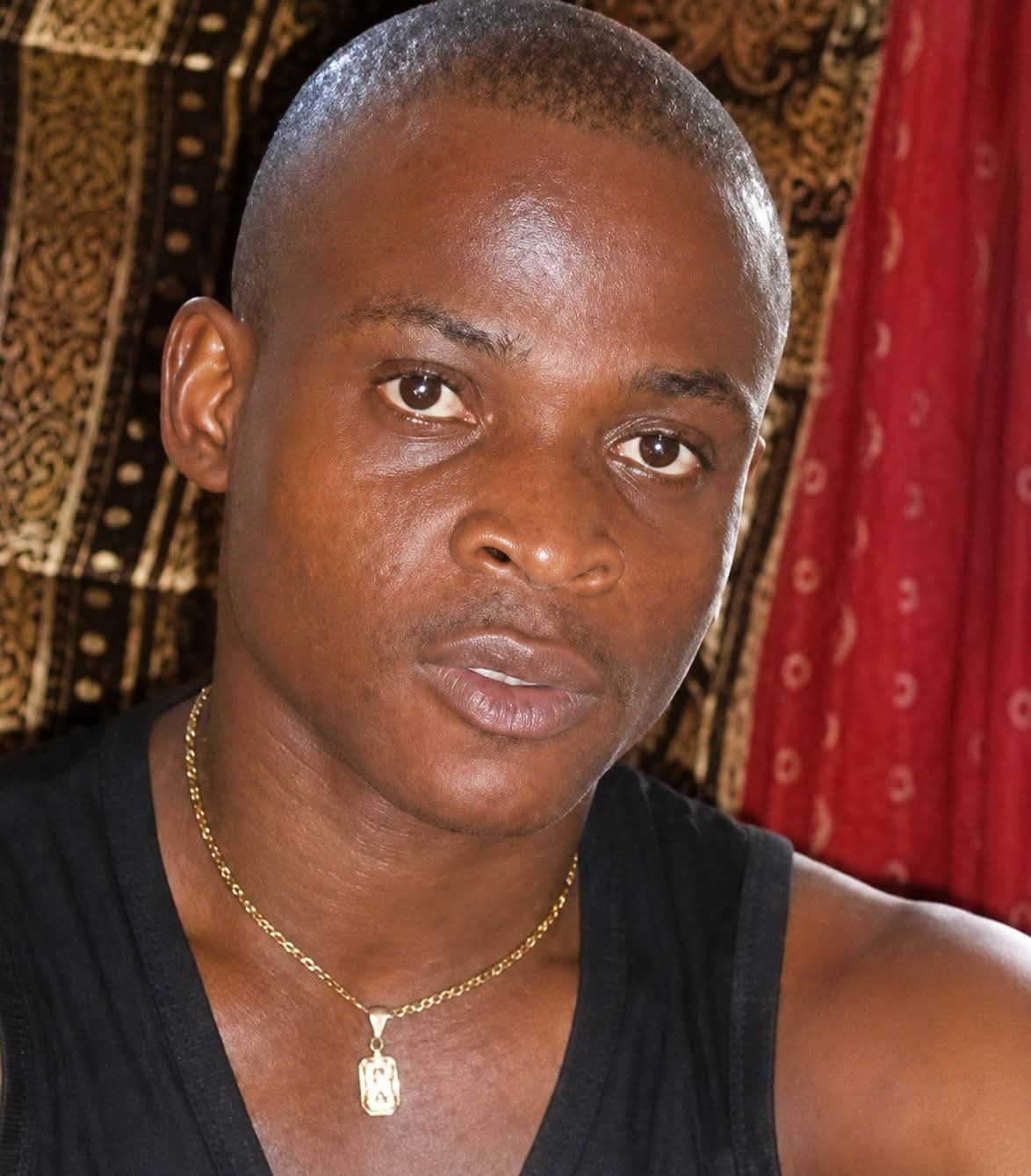
On This Day in 2001: The Rise and Fall of Derico Nwamama, Anambra’s Notorious Crime Figure
By Our Correspondent
July 9 marks another anniversary of the death of Okwudili Ndiwe, widely known as Derico Nwamama, one of Nigeria’s most notorious armed robbery suspects whose activities cast a long shadow over Anambra State in the late 1990s and early 2000s.
Derico, believed to have been in his early twenties at the time of his death, became synonymous with violent crime in Onitsha and its surrounding communities during a period marked by widespread insecurity, armed robbery, and public anxiety.
According to historical accounts, he began his criminal career as a street hustler before rising through the ranks of the criminal underworld. His emergence reportedly followed the killing of another feared gang leader, Chiejina, during a power struggle linked to the city’s criminal networks.
Security reports and eyewitness accounts from the period alleged that Derico’s gang carried out a series of deadly attacks on banks, commercial centres, highways, and residential areas. He was accused of masterminding numerous armed robberies and killings, including the deaths of several police officers, although the exact number of victims has never been independently verified.
At the height of his influence, businesses operated under constant fear, while commuters and traders travelling through Anambra State lived with the threat of violent attacks.
One of the incidents widely associated with his gang was the attack on a luxury passenger bus at Upper Iweka, Onitsha, in December 2000. Contemporary reports alleged that armed men robbed passengers before killing many of them, an incident that shocked the nation and intensified public demands for decisive action against criminal gangs.
The deteriorating security situation prompted the administration of then-Governor Chinwoke Mbadinuju to rely heavily on the Bakassi Boys, a vigilante group that had gained prominence for confronting armed robbers across southeastern Nigeria.
On July 3, 2001, Derico was reportedly arrested by members of the Bakassi Boys near the Onitsha Bridge Head while travelling into the city. Accounts of the arrest indicate that he attempted to escape after the vehicle in which he was travelling was intercepted but was eventually overpowered.
His arrest sparked widespread celebrations among many residents who viewed it as the end of one of the state’s most feared criminal figures.
Six days later, on July 9, 2001, Derico was publicly executed by the Bakassi Boys at Ochanja Market Junction in Onitsha. Witnesses recalled that he was paraded before a large crowd and appealed for mercy before he was killed.
While many residents at the time welcomed the development as a victory against violent crime, the incident also drew criticism from human rights organisations, which condemned the extrajudicial execution and raised concerns over the growing influence of vigilante groups operating outside Nigeria’s judicial system.
The Bakassi Boys, celebrated by some communities for restoring a measure of security, were equally accused by rights groups of unlawful killings, torture, and abuses carried out without due process.
More than two decades later, the story of Derico Nwamama remains one of the most enduring chapters in Anambra State’s history, illustrating both the devastating impact of violent crime and the difficult questions surrounding justice, security, and the rule of law during one of the state’s most turbulent periods.