Tension in Oyo: Fulani Leaders Accuse Sunday Igboho of Ethnic Targeting, Demand Justice for Victims
By Our Investigative Desk
Fresh concerns over ethnic tension in Oyo State have resurfaced following strong allegations by the Sarkin Fulani of the state, Alhaji Salihu Abdul Kadir, who accused Yoruba self-determination activist Sunday Igboho of repeatedly targeting Fulani communities without consequences.
In an exclusive interview, the Fulani traditional leader expressed frustration over what he described as sustained attacks, intimidation, and destruction of Fulani settlements in parts of Oyo State, warning that the failure of authorities to act has emboldened ethnic hostility.
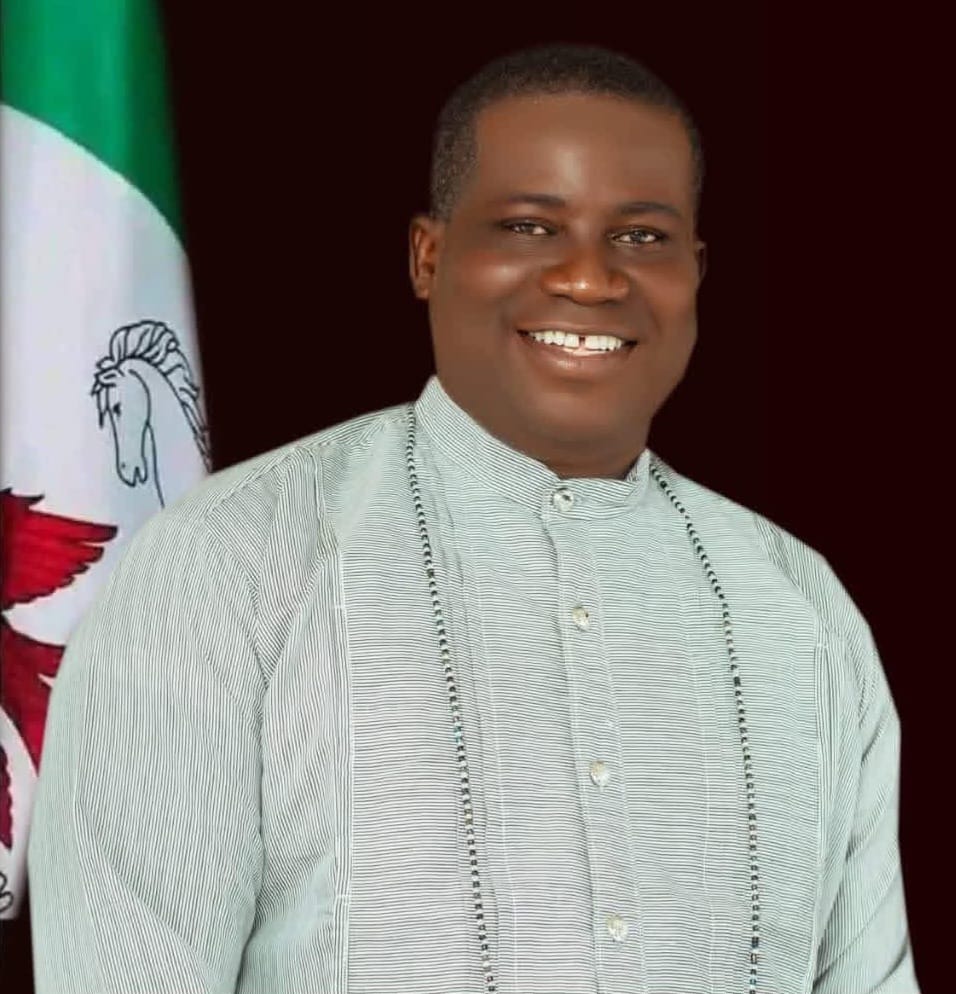
Yoruba self-determination activist Sunday Igboho
«“It is unfortunate that Sunday Igboho has continually targeted Fulani people without being called to order. He did it in Igangan, where our people were killed and properties destroyed, yet nothing happened. That is why he appears more emboldened today,” Alhaji Abdul Kadir said.»
The comments reopen old wounds surrounding the violent crisis in Igangan, a town that became the epicenter of one of the most controversial ethnic confrontations in southwestern Nigeria.
The Igangan Flashpoint;
The Igangan crisis drew national attention in early 2021 after Sunday Igboho issued an ultimatum to Fulani residents, accusing some of involvement in kidnapping, killings, and insecurity across Oyo and neighboring states.
At the time, Igboho’s campaign gained support among sections of the Yoruba population who believed criminal gangs operating in forests were largely responsible for rising abductions and violence. However, Fulani leaders insisted the accusations unfairly criminalized an entire ethnic group.
Shortly after the ultimatum, violence erupted:
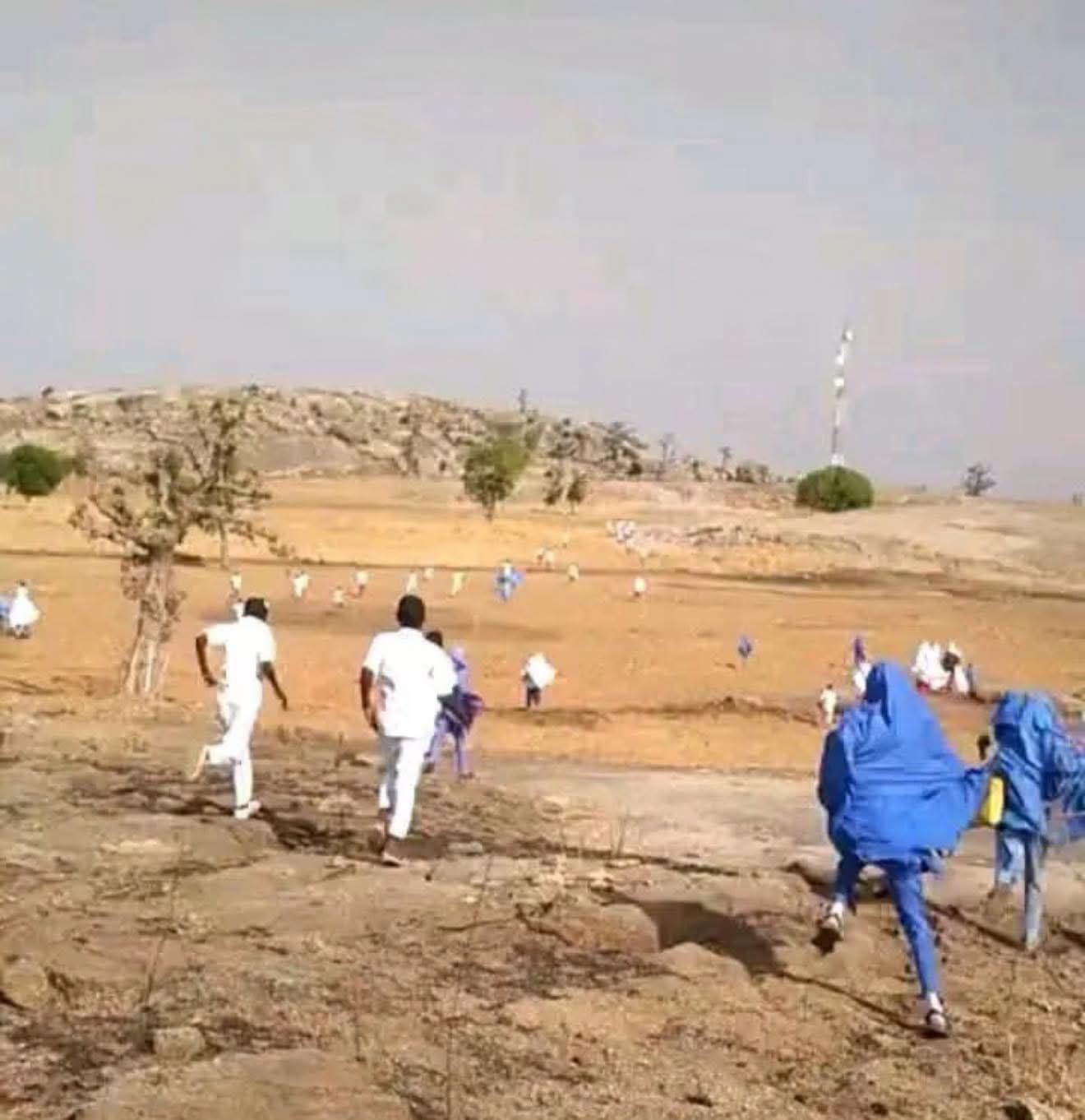
Several houses and business premises linked to Fulani families were reportedly razed, while residents fled in fear. Casualty figures remain disputed, with community leaders on both sides presenting conflicting accounts.
According to Alhaji Abdul Kadir, innocent Fulani families—many of whom were pastoralists and traders—became collateral victims of collective blame.
«“Many Fulani were also victims of insecurity. Fulani have not taken over any ancestral land,” he stated.»
His remarks challenge a widely circulated narrative that Fulani settlers were systematically occupying indigenous lands in Oyo communities.
Competing Narratives
At the heart of the conflict lies a battle of narratives:
For many Yoruba residents, insecurity—especially kidnapping along highways and rural roads—became associated with armed herders and criminal groups operating from forest corridors.
Residents in affected communities told this newspaper that fear reached unprecedented levels during the height of attacks by kidnappers.
“We could not travel freely after 6 p.m.,” said a resident of Ibarapa, who requested anonymity. “People were disappearing. Communities were angry.”
But Fulani representatives argue that criminality should be addressed through law enforcement, not ethnic profiling.
Security analysts warn that the danger in ethnicizing crime lies in the possibility of punishing innocent populations while actual criminal networks remain active and adaptable.
A senior conflict researcher familiar with farmer-herder disputes in Nigeria said both farming and herding communities have suffered significant losses.
“Bandits, kidnappers, and armed criminal groups often exploit ethnic tensions. Once violence becomes communal, everyone loses,” the analyst noted.
Fulani Community Speaks Out:
Alhaji Abdul Kadir said many Fulani families in Oyo have lived peacefully for decades, contributing to agriculture, livestock production, and local commerce.
He rejected allegations of territorial conquest, insisting that the majority of Fulani settlers operate within long-established grazing and trading arrangements with host communities.
According to him, the silence of authorities after earlier attacks sent a dangerous message.
“When perpetrators are not held accountable, reprisals become normalized,” he warned.
Community members also alleged that some displaced Fulani households from Igangan never fully recovered economically.
Livestock losses, burnt shelters, and forced migration reportedly disrupted livelihoods across affected settlements.
The Broader Security Crisis:
Nigeria’s farmer-herder conflict remains one of the country’s most persistent security challenges.
Across the Middle Belt and parts of the South-West, disputes over land access, grazing routes, crop destruction, and retaliation have escalated into deadly clashes.
Experts say climate change, desertification, population growth, and weak security governance have intensified competition over shrinking resources.
In Oyo, the security debate remains deeply polarizing:
Supporters of Sunday Igboho view him as a defender of vulnerable Yoruba communities abandoned by state institutions. Critics, however, argue that vigilantism risks undermining the rule of law and inflaming ethnic divisions.
Calls for Justice and Dialogue:
The Sarkin Fulani called on federal and state authorities to ensure justice for all victims regardless of ethnic identity.
He emphasized that lasting peace can only emerge through dialogue, fair enforcement of law, and protection of innocent civilians.
“We must stop blaming entire ethnic groups for crimes committed by individuals,” he said.
Yoruba self-determination activist Sunday Igboho
Observers warn that unless grievances from all sides are acknowledged, old tensions could re-emerge.
As debates over land, security, and ethnic identity continue, the unresolved wounds of Igangan remain a stark reminder of how quickly mistrust can spiral into violence.
For many residents of Oyo State, the urgent question remains whether justice and reconciliation can prevail before another flashpoint erupts.